
A Simple Monsoon Routine for Paws, Coat & Skin
Last updated: 26 September 2026
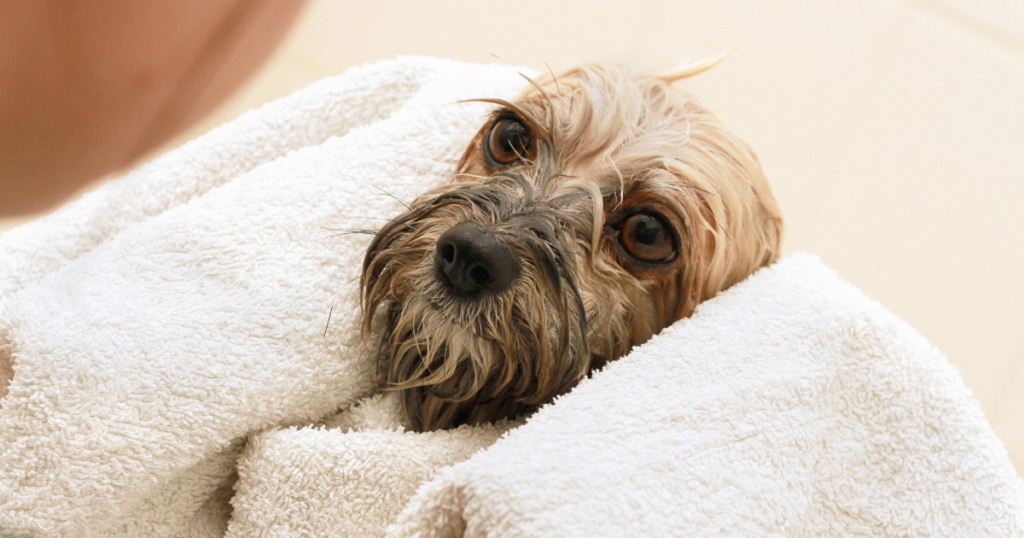
- Rain.
- Wet paws.
- Muddy bellies.
And that unmistakable wet-furkid smell. 👀
Malaysia’s rainy months can make everyday dog care a little messier, especially when every walk seems to end with another towel by the door.
The good news? You don’t need an entirely new grooming routine. A few small rainy-day habits can make a big difference.
🐾 Quick answer
During Malaysia’s rainy season:
- Dry your furkid thoroughly after getting wet
- Check paws and between the toes
- Rinse off mud and dirty water when needed
- Keep bedding and rain gear clean and dry
- Don’t automatically add more shampoo baths
- Stay consistent with vet-recommended parasite prevention
- Watch for persistent itching, redness, odour or ear problems
The goal isn’t more baths. It’s less time sitting around wet.
In this article
When Is Monsoon Season in Malaysia?
Malaysia experiences two main monsoon systems, according to the Malaysian Meteorological Department (METMalaysia).
| Season | What to expect |
|---|---|
| 🌧️ Northeast Monsoon | Generally November to March. Typically brings heavier rainfall, particularly to the east coast of Peninsular Malaysia, western Sarawak and eastern Sabah. |
| 🌤️ Southwest Monsoon | Generally late May to September. Comparatively drier for much of the country. |
| ⛈️ Inter-monsoon periods | Thunderstorms are common, particularly during the afternoon and evening. |
So depending on where you live in Malaysia, your furkid’s rainy-day routine may look a little different.
Why Pay Extra Attention to Wet Fur?
Getting caught in the rain doesn’t automatically mean your furkid is going to develop a skin problem. But leaving parts of the coat and skin damp isn’t something we’d ignore either.
The tricky part? Fur can feel dry on top while moisture hides underneath.
Where moisture hides
- 🐾 Between the toes
- 🐶 Skin folds
- 🦻 Around floppy ears
- 🦁 Thick undercoats
- 💛 Armpits and belly
These are the spots worth checking when your furkid comes home wet.
And if your dog already experiences recurring skin or ear problems, follow your veterinarian’s specific care recommendations.
The 5-Minute Monsoon Dry-Down 🌧️
Keep a clean towel near the door. Then make this your post-walk routine.
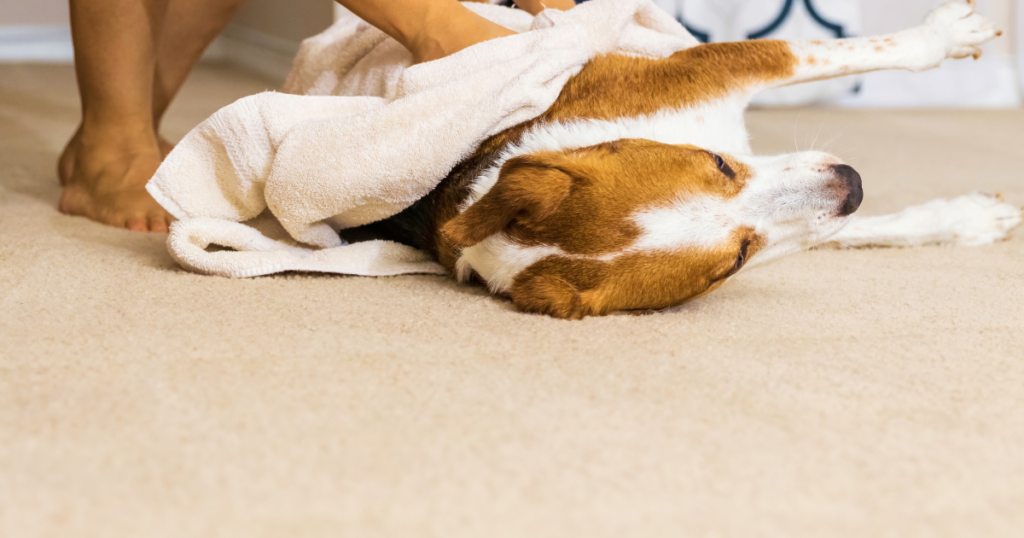
- Paws first 🐾Wipe each paw. Then gently check between the toes, around the paw pads, and for any visible dirt, debris, redness or irritation. Don’t just give the paws one swipe and call it done. Get between those little beans.
- Belly & armpitsLow-to-the-ground furkids can bring half the pavement home with them. 😅 Check the belly, chest and armpits for moisture, mud or debris, and give these areas a proper towel-dry.
- Check skin foldsIf your furkid has folds, check whether moisture has collected inside them. Gently dry the accessible skin rather than leaving it damp. If folds repeatedly become red, sore, smelly or irritated, ask your vet what routine is appropriate for your furkid.
- Check around the ears 👂Floppy ears deserve a quick check after a wet walk. Gently dry the outside and accessible parts of the ear flap. Don’t push cotton buds, towels or anything else down into the ear canal. VCA advises against using cotton-tipped applicators inside dogs’ ears because they can push debris deeper or damage the ear canal or eardrum.
- Check under the coatParticularly important for long-haired and double-coated furkids. Don’t stop when the surface feels dry. Use your fingers to check closer to the skin. For appropriate coats, towel-drying followed by a pet dryer on a comfortable setting may help.
Read VCA’s ear-cleaning guidance →
💡 Rainy-day rule
Dry on top doesn’t always mean dry underneath.
Muddy Walk: Rinse or Full Bath?
Your furkid stepped directly into the biggest puddle they could find. Obviously. 😂
Do they need a full shampoo bath? Not necessarily. If the issue is simply muddy paws or a dirty belly, you may only need to rinse or clean the affected areas and dry them thoroughly. Save the full shampoo bath for when it’s actually needed.
Light dirt
Full dirty coat
This helps avoid turning every rainy walk into a full bath day.
Should I Bathe My Dog More During Rainy Season?
Not automatically. Rainy weather doesn’t mean your furkid suddenly needs shampoo every few days.
As we covered in our bathing guide, there is no universal bathing schedule for every dog. How often your furkid needs a full bath depends on:
- Coat
- Lifestyle
- Activity
- How dirty they get
- Skin health
- Any veterinary treatment plan
If rainy walks mean your dog genuinely gets dirty more often, their routine may naturally change. But don’t increase bathing just because the calendar says monsoon season.
What About That “Wet Dog” Smell? 👃
We’ve all smelled it. A temporary smell after getting wet isn’t the same thing as a persistent skin problem.
Pay attention if a strong or unusual odour keeps coming back alongside
- Itching
- Redness
- Greasy-looking skin
- Flaking
- Hair loss
- Ear scratching or head shaking
- Ear discharge
Merck Veterinary Manual notes that odour, greasy skin, scaling and hair loss can occur with certain dermatological problems, including yeast-associated skin disease.
Source: Merck Veterinary Manual →
So don’t diagnose your furkid by smell alone. If something keeps returning, let your vet investigate why.
My Dog Keeps Licking Their Paws After Rain. Why?
One lick doesn’t mean something is wrong. But persistent paw licking deserves attention. Start with the simple things: check the paws.
👀 Look for
- Mud or debris
- Something stuck between the toes
- Small cuts
- Redness
- Swelling
- Soreness
Clean and dry them appropriately after wet walks. If licking continues, becomes intense, or you notice redness, swelling, limping or damaged skin, speak with your veterinarian.
Persistent paw licking can have many causes, so it’s better not to assume rain, yeast or allergies are automatically responsible.
Don’t Forget the Bed 🛏️
You dried your furkid beautifully. Then they climbed straight into a damp bed. Back to square one. 👀
During rainy periods
- Check bedding for dampness
- Wash it when needed
- Let it dry completely before reuse
- Rotate between two sets if drying takes longer
- Don’t forget blankets and fabric toys
The same applies to:
- Harnesses
- Collars
- Towels
- Raincoats
If something is repeatedly getting soaked, give it time to dry properly too.
What About Dog Raincoats? ☔
A raincoat can certainly make wet walks less messy. But don’t forget what happens after the walk. Remove wet gear when you get home. Check underneath it. Dry your furkid. And let the raincoat itself dry before the next adventure.
A raincoat helps keep rain off. It doesn’t replace the post-walk check.
Stay Consistent With Parasite Prevention
Rainy season is also a good reminder to check that your furkid’s parasite-prevention routine is up to date.
The Companion Animal Parasite Council (CAPC) recommends year-round flea control for dogs and cats rather than waiting until parasites become obvious. For heartworm, CAPC also recommends year-round use of approved preventives for dogs.
Read CAPC’s heartworm guidelines →
Ask your veterinarian which parasite-prevention plan makes sense for your furkid and your area.
Rainy-Day Skin Check 👀
Once your furkid is dry, bath time or grooming time is a great opportunity to notice changes.
Usually worth monitoring
- 🐾 Occasional licking
- 🌧️ Dirty paws after a walk
- 👃 Temporary wet-fur smell
- 💧 Wet coat that dries normally
Time to ask your vet 🩺
- → Persistent or intense scratching
- → Repeated paw licking or chewing
- → Red, painful or broken skin
- → Oozing or crusting
- → Hair loss
- → Swelling
- → Persistent strong odour
- → Repeated ear scratching or head shaking
- → Unusual ear discharge
- → Limping or obvious discomfort
And if something changes quickly or your furkid seems unwell? Don’t wait for the next scheduled bath.
The Malaysia Monsoon Routine 🇲🇾
Don’t want to remember this whole article? Remember this:
- 🌧️ WetThey come home from the rain.
- 🚿 RinseIf they’re muddy or dirty, rinse or clean what’s needed.
- 🐾 CheckPaws · belly · folds · ears · undercoat.
- 💨 DryAll the way through the coat.
- 👀 WatchNotice persistent itching, redness, odour or other changes.
That’s it
Save that one for the next thunderstorm. 💛
Choosing a Shampoo for Rainy-Season Bath Days
When your furkid genuinely needs a full bath, choose a shampoo formulated specifically for pets and appropriate for their skin and coat. Look at the whole formula, not just one hero ingredient.
If your furkid has sensitive skin, our label-reading guide explains what to consider without turning the ingredient list into something scary.
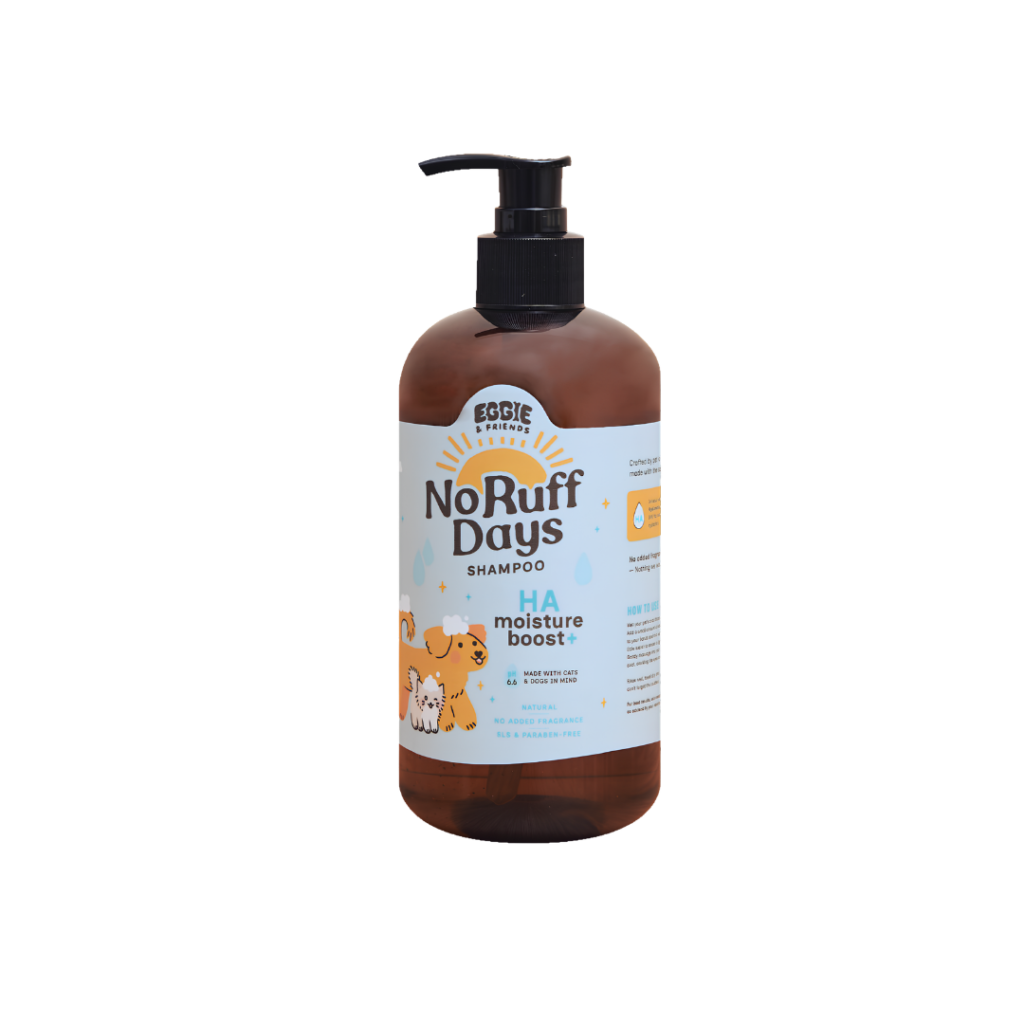
Where No Ruff Days fits 💛
Made for everyday bath days, including the muddy ones.
For us, rainy-season care isn’t about bathing more. It’s about making the baths they do need feel gentle, then getting those paws and fluffy bits properly dry afterwards. With hyaluronic acid, aloe vera, chamomile & oat extract.
- pH 6.6
- No added fragrance
- No added essential oil
- SLS-free
- 90%+ naturally derived
- For dogs & cats
A grooming shampoo, not a treatment for skin infections, allergies or other medical conditions. If your vet has prescribed a shampoo or bathing schedule, follow their advice.
Pawrents Also Ask 🐾
How do I care for my dog’s skin during rainy season?
Dry your dog thoroughly after wet walks, check paws and skin folds, rinse off significant mud or dirt when necessary, keep bedding and wet gear dry, and monitor for persistent skin changes. Rainy weather doesn’t automatically mean your dog needs more shampoo baths.
Should I bathe my dog after walking in the rain?
Not necessarily. If your dog’s coat is simply wet, thorough drying may be enough. If they’re muddy or dirty, clean or rinse the affected areas and dry them properly. A full shampoo bath isn’t required after every rainy walk.
Why does my dog lick their paws after walking in the rain?
There can be many reasons for paw licking. Start by checking for dirt, debris, cuts, redness or swelling and clean and dry the paws appropriately. Persistent licking, soreness or limping deserves veterinary attention.
Why does my dog smell after getting wet?
A temporary “wet dog” smell can occur after the coat gets wet. A strong or persistent odour accompanied by itching, greasy skin, redness, hair loss or ear problems can warrant a veterinary check.
Should I bathe my dog more often during monsoon season?
Not automatically. Bathing frequency should be based on your dog’s coat, lifestyle, activity, skin health and how dirty they actually become rather than the season alone.
How do I dry my dog properly after rain?
Start with a clean, absorbent towel and pay particular attention to paws, between the toes, belly, armpits, skin folds and beneath dense coats. Appropriate coats may also benefit from a pet dryer used on a comfortable setting.
A Little Rain Doesn’t Have to Mean a Ruff Day
Muddy paws are part of the fun. 🌧️🐾 Keep it simple:
- Clean what’s dirty
- Dry what’s wet
- Keep their things dry
- Watch their skin
If something doesn’t look or feel right, let your vet take it from there.
And maybe keep one extra towel by the door. You’ll need it. 💛
Sources & References
- Malaysian Meteorological Department, MonsoonOfficial information on Malaysia’s Northeast Monsoon, Southwest Monsoon and inter-monsoon periods.
- Merck Veterinary Manual, Dermatological Problems in AnimalsVeterinary information on skin problems and clinical signs including odour, scaling, greasy skin and hair loss.
- VCA Animal Hospitals, Instructions for Ear Cleaning in DogsVeterinary guidance on safe handling and cleaning of dogs’ ears.
- Companion Animal Parasite Council, Flea GuidelinesVeterinary guidance recommending year-round flea control.
- Companion Animal Parasite Council, Heartworm GuidelinesVeterinary guidance on heartworm prevention.
This article is for general educational information and isn’t a substitute for veterinary diagnosis or advice.